
Inside My Breakup With Multiplayer Shooters
It’s not like I didn’t enjoy singleplayer games, before…
But when it came time to game on my own, I just… wasn’t doing it. It felt like there was too much friction.
For whatever reason, it felt easier to boot up two, three, even four different multiplayer games in one night with hopes of having a good time than to just play an offline game which was almost-guaranteed to provide fun.
I think a few significant elements play into this.
First, I think I was holding onto the idea of what my nightly gaming sessions should be, rather than being aware of what they actually were.
In middle school whenever I could connect to our dial-up internet, I was playing RuneScape 2, browsing forums, joining my favorite servers in FPS games, and I was making friends.
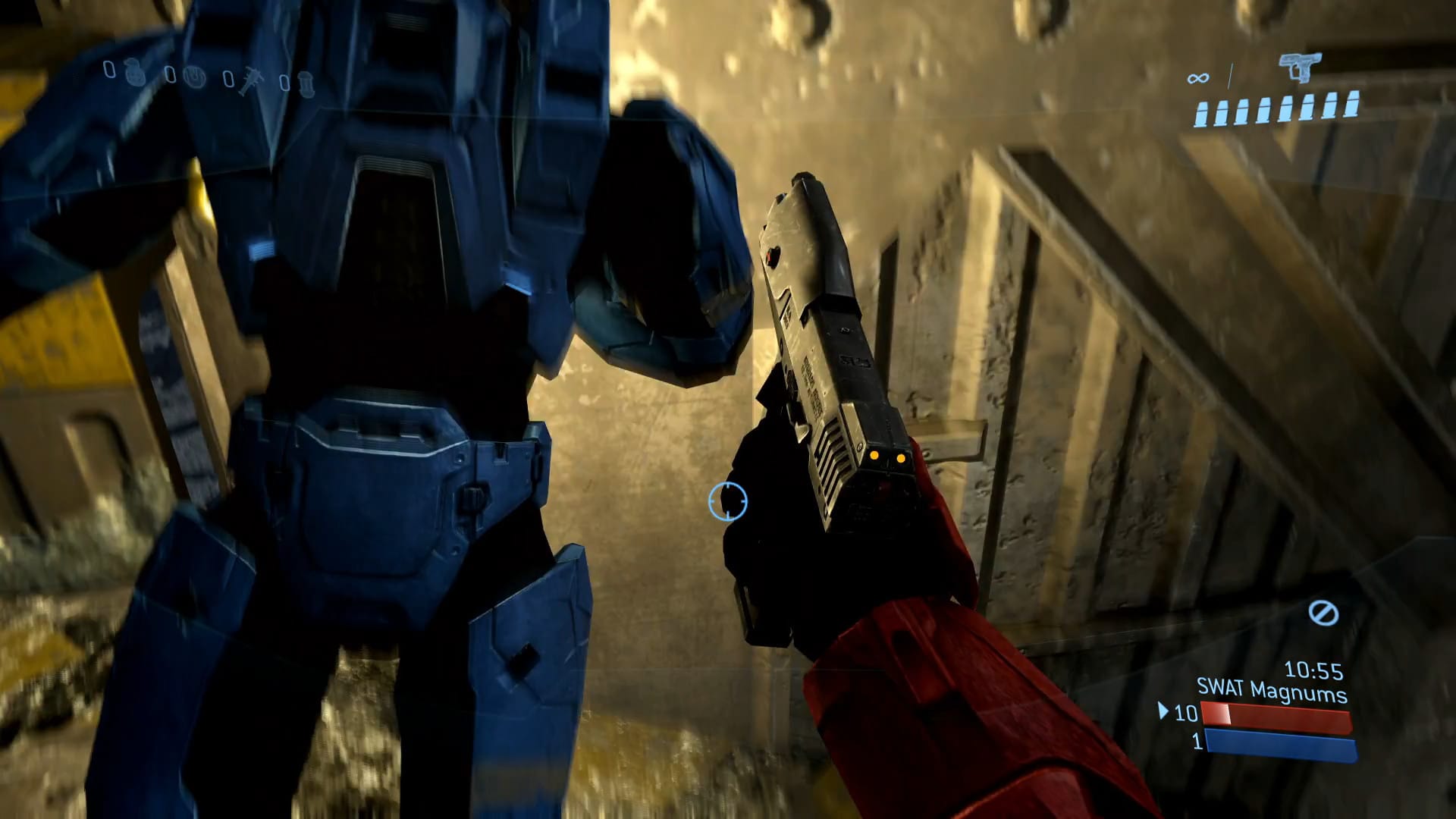
In high school, I had buddies on Xbox Live every night ready for Halo and Call of Duty lobbies as soon as I finished homework.
In college, it was assumed my buddies would be waiting on me to join in Rocket League matches or a Destiny raid or Strike on PlayStation 4.
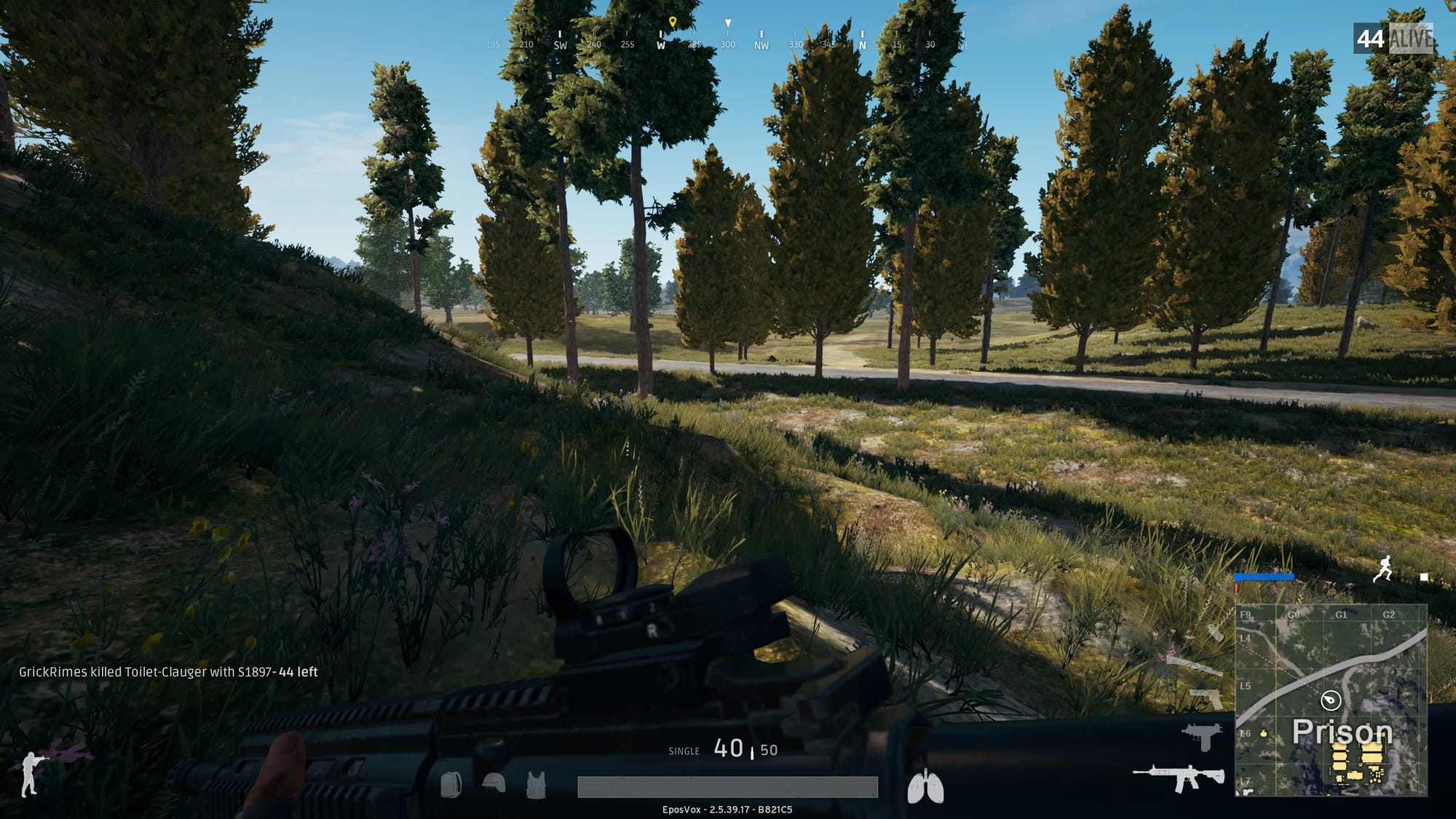
I played a decent amount of singleplayer games during this time, but my default was always multiplayer. Even up until I had a kid, I was frequently hopping into multiplayer first to join in on PUBG, Apex, Siege, and others.
This all went on to create a baseline expectation that easy, quick fun in games comes from multiplayer. Having fun with others requires less work and effort, so that makes some sense. The problem is: That doesn’t inherently translate to solo queuing.
Playing games with friends means having fun goofing off, chatting, trying hard sometimes, and spending time together.
While there are some preferences about what we play, and some experiences that bring more excitement than others, broadly-speaking the game does not matter when friends are playing together.
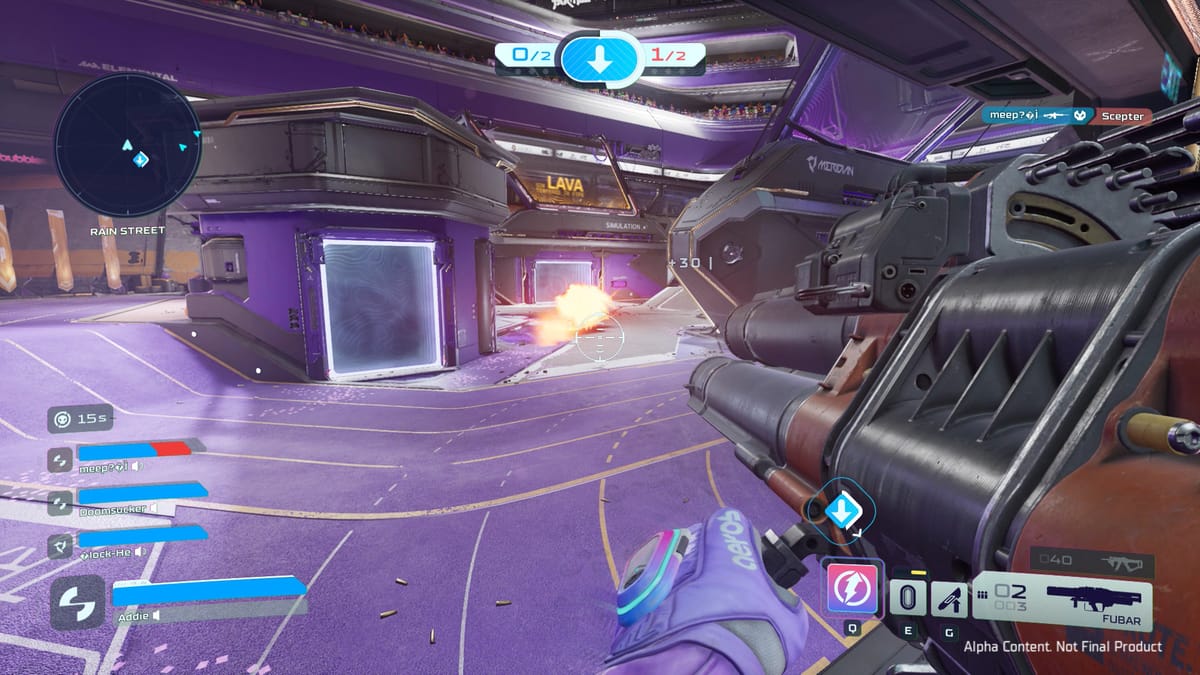
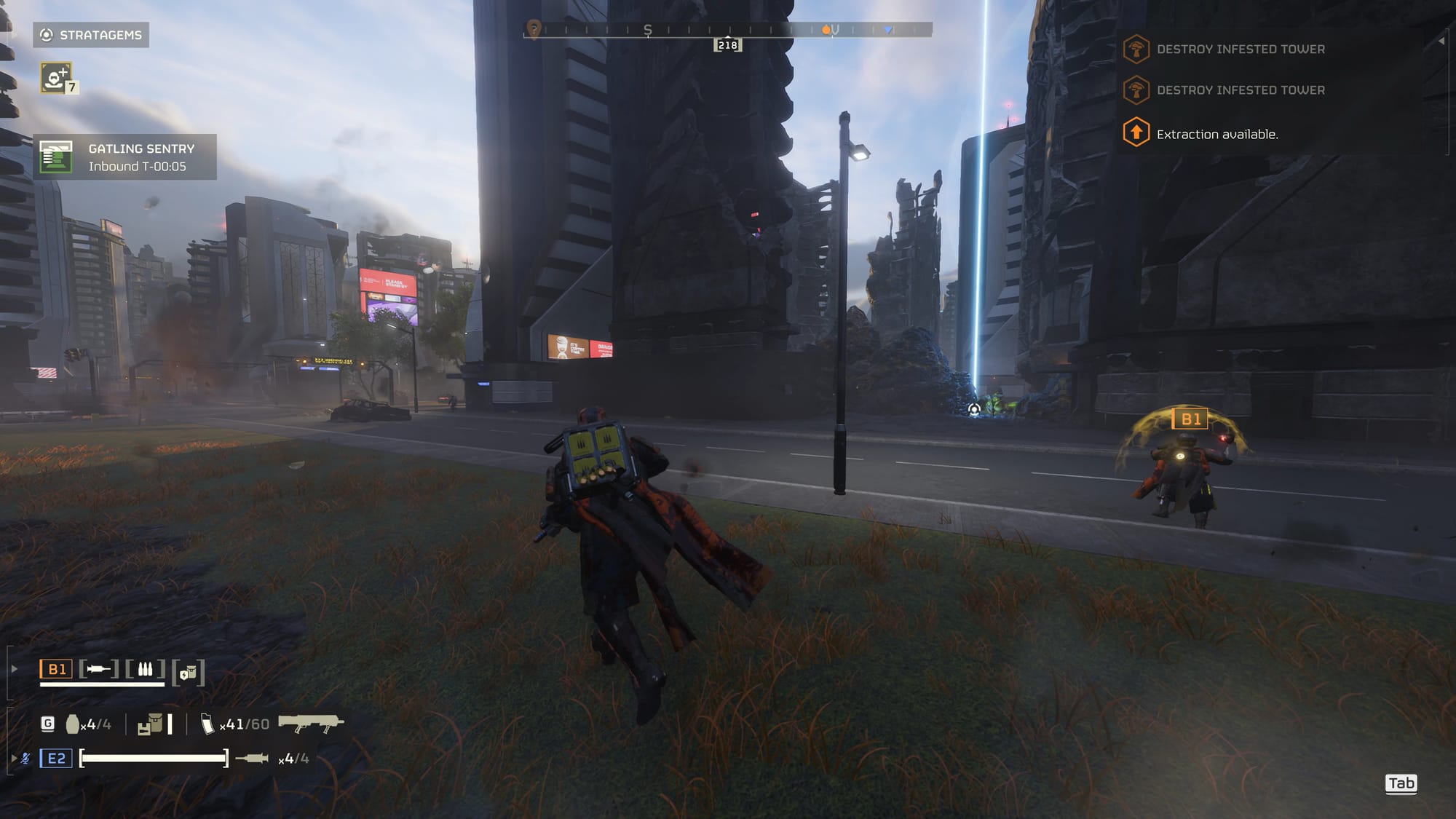
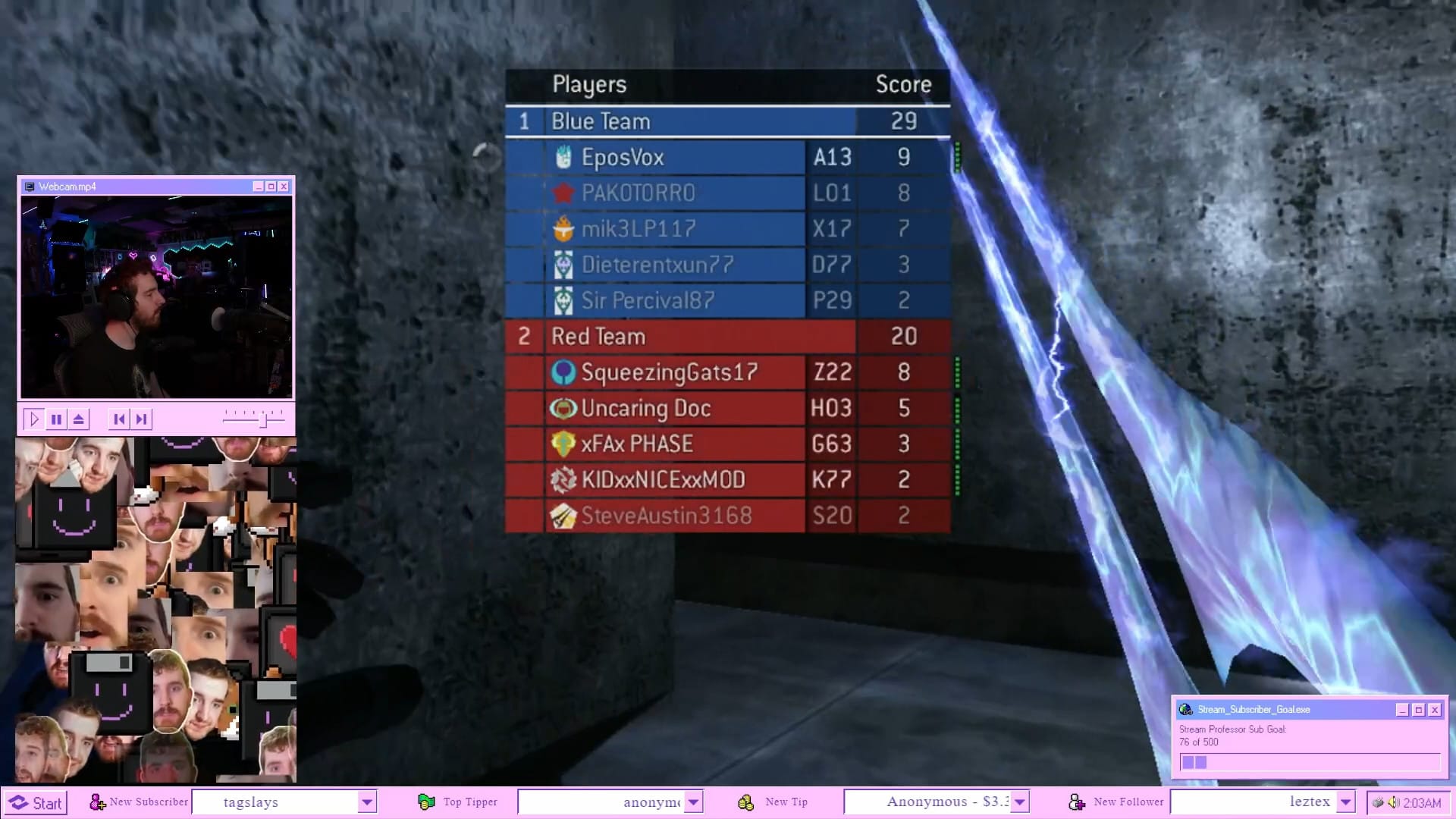
Sometimes we’re grinding competitive rank in Siege, CS, or Apex. Sometimes we’re playing in the sandbox of Warzone, Halo, or (RIP) OG Splitgate. Other times we’re defending Super Earth in Helldivers 2. Outside of specific objective-focused excitement, or wanting to return to a certain “flow” we had the night before, the game is just the vehicle for socialization and social play.
Naturally, it makes sense that when you’ve been having a lot of fun in a particular game with friends, that you’d want to continue playing it when they can’t hop on. But for me, that hasn’t panned out.
Without the social aspect present, all that you’re left with in solo queue is the gameplay loop and the competitive aspect. I had a brief stint of caring about “being good” while playing solo in Halo or Call of Duty (or insert other game here) when I was younger – but it’s hard to hold that in high priority anymore.
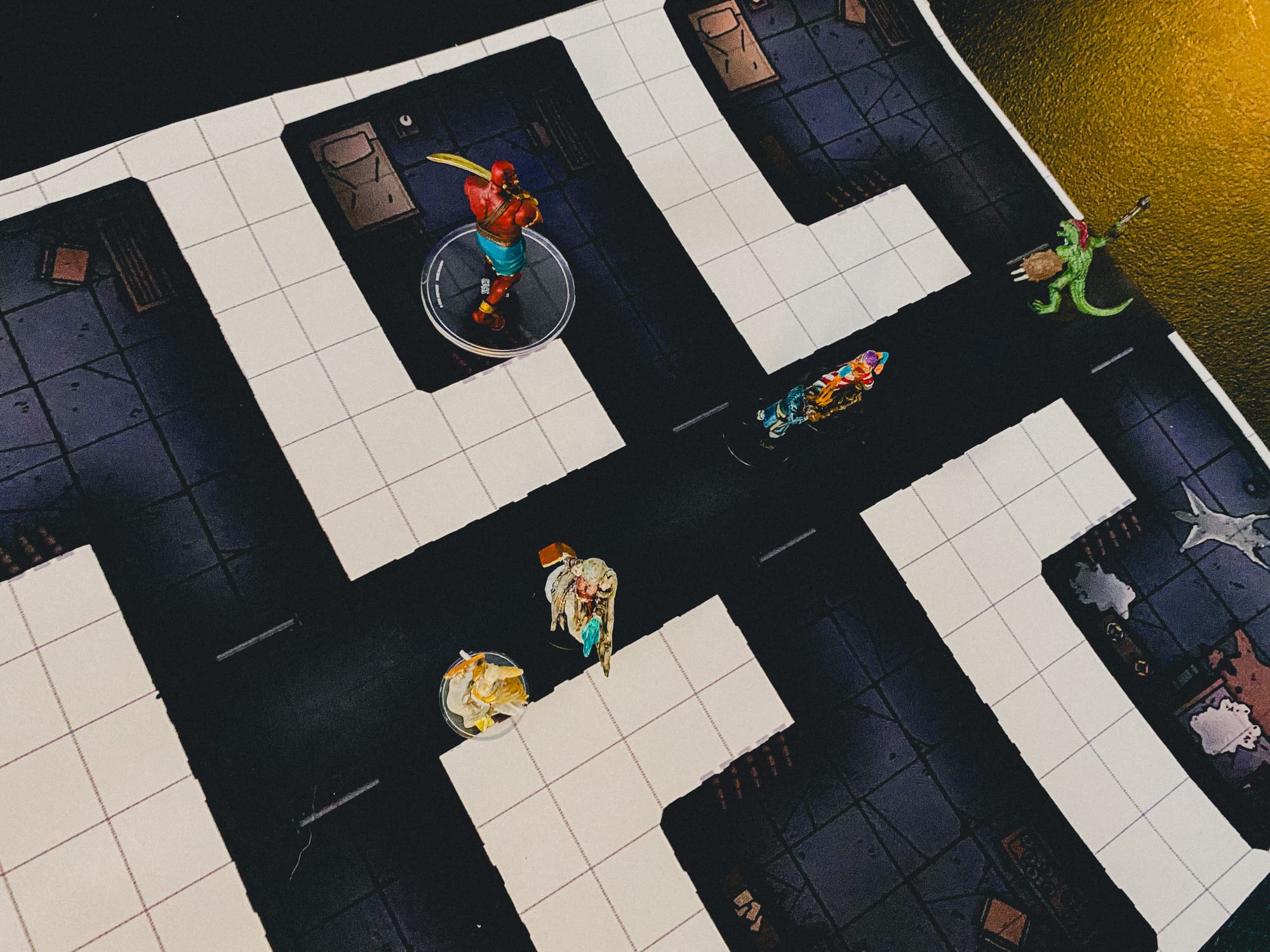
So the first element of this struggle is definitely trying to recreate the vibes, experience, general “good time” from gaming with buds in solo game time, which just doesn’t work. I love D&D and tabletop gaming and I’ve very much missed it lately while my usual groups have been busy – but I’m not about to try to run a campaign by myself here.
The second element at play is the truth behind all the whining and moaning you see in countless videos already: The multiplayer gaming landscape has changed a lot in the last 10 years.
I’m sure I don’t need to beat the dead horse here, but…
Engagement Optimized Matchmaking and over-tuned Skill-Based Matchmaking combined with a heavy over-emphasis on eSports style play (lots of Counter-Strike and Siege clones) took most of the casual “social modes” fun out of multiplayer shooters. Everything is algorithmically tuned to optimize the fun out of your game and maximize how much time you spend grinding.
This plays in with the reduction of game mode options in modern multiplayer games compared to the late ‘00s. Gone are server browsers, gone are the plethora of playlists we had in Halo 3 and Call of Duty 4, gone is any sense of casual play in most games.
Hyper-monetization via loot boxes, battle passes, limited-time event skins, etc. over-emphasize grinding for extrinsic rewards and completely taint the experience.
The move to mostly free to play MTX-supported models make it feel like getting a polished, complete experience on launch is impossible and that I am the product, rather than the game.
The reduction of social tools drastically impacts the organic social experiences that once happened in traditional matchmade games and could often supplement going into the game with a party.
At the core of much of this is an obsession with player retention rather than a quality product, which results in constant cloning of existing successful experiences (Fortnite, Overwatch) which make games doomed to fail on launch, and remove all investment to more niche, core experiences like arena shooters in favor of more generalized trends.
All of these combine to turn my favorite genre of game into a complete dumpster fire that just winds up not being a good time in nearly any way when playing solo.
Any modern iteration of my past favorite games can be fun with friends because the social aspect makes it fun. When I log in at 10 p.m. to solo queue and expect to magically play at a super high skill or have the same kind of fun time I had with a stacked voice chat the night before, all I’m left with are the echoes of battle pass pestering and miserable grindy matches.
The third element of this “multiplayer-first” habit comes from the friction (or perceived friction) when trying to build up immersion into the gaming experience.
Again, it’s super easy to hop into a big Discord call with buddies and jump in a game lobby and lose your sense of surroundings, lose track of hours, and just feel absolutely “in it.” Very rarely does this not happen when playing with friends.
But when you’re on your own, your thoughts wander more, your surroundings hold more object permanence, your responsibilities and bodily feelings are much more loud, and distractions can be stubborn in your periphery.
Social obligation makes falling into the trap of playing music or a show or YouTube video in the background of your game, or alt-tabbing to scroll a feed or work on something else mid-session much more of a deal-breaker. When solo it’s too easy to do it with minimal consequences.
I spent years continuing to load up solo queue multiplayer games when I “only had” 20 minutes, an hour, or a couple hours to play because at one point in time, the quick “in and out” matchmaking of Halo or Call of Duty perfectly fit into that block of time and it felt like I didn’t have time to get immersed in a normal singleplayer or offline game.
But that was just a feeling.

Since breaking up with online multiplayer gaming, I’ve finished a few full story games solo (and started/got into many more), put countless hours into session games, and shared massive story experiences with my wife. Just having a couple hours does not mean I don’t have time to get immersed or to have fun. It just requires the right headspace.
If I sit down at my desk and pull up a browser window and Discord and am trying to do a bunch of stuff while gaming, I’m going to be distracted and not really get into the game. If I minimize or close everything else and keep the game fullscreen with the intent to focus fully on the game, I can do it.
In fact – despite being a technology maximalist and nearly always keeping multiple monitors at my setups – my personal gaming setup in our house has been dropped to a single monitor to aid in my focus and immersion.
Once the headspace is right, the next step is really figuring out what kind of game I want to play.
Get your 10-step game time optimization systems away from me. Stop trying to pitch me the psychology of optimizing your fun. You’re overthinking it all.
The Feelings Test (as we dubbed it in the first episode of the Dual Comm Podcast) is the simplest, least-intrusive way to determine if you’re enjoying your game time, and has made all the difference in this shift away from multiplayer gaming for me.
The gist is: Before you sit down to game, think about how you think you’ll feel playing the game, or how you will feel after. Write it down. This can be as vague as you want, or as specific as you want. (“I want to have fun” / “I want to laugh” / “I want the thrill of winning a competition” / “I want to feel challenged” / “I want to forget my rough day” / “I want to escape the world’s troubles” / “I want to decompress before bed”)
Then, after your gaming session, take 5, 10, 20 minutes to reflect. Did your feelings match what you expected? Did you have the kind of experience you expected? If not, why? Write that down.
Bonus is to also take some notes (mental or written) during your play session, too, especially if it’s a long one.
This will quickly inform you as to whether you’re on the right path.
If I sit down to game and my goal is to decompress, a sweaty competitive EOMM-focused solo queue multiplayer FPS session will not result in that. So many people expect to just chill out after work or forget their rough day – but a frustrating, 50/50 win-loss ratio focused game session only makes them feel more tilted.
If I want to laugh and have fun, a completely isolated nonverbal gaming session is not likely to reproduce that, either.
The final step is to start figuring out what games better align with what you actually want when you sit down to game.
For me, solo queue multiplayer was never going to achieve the desired effect.
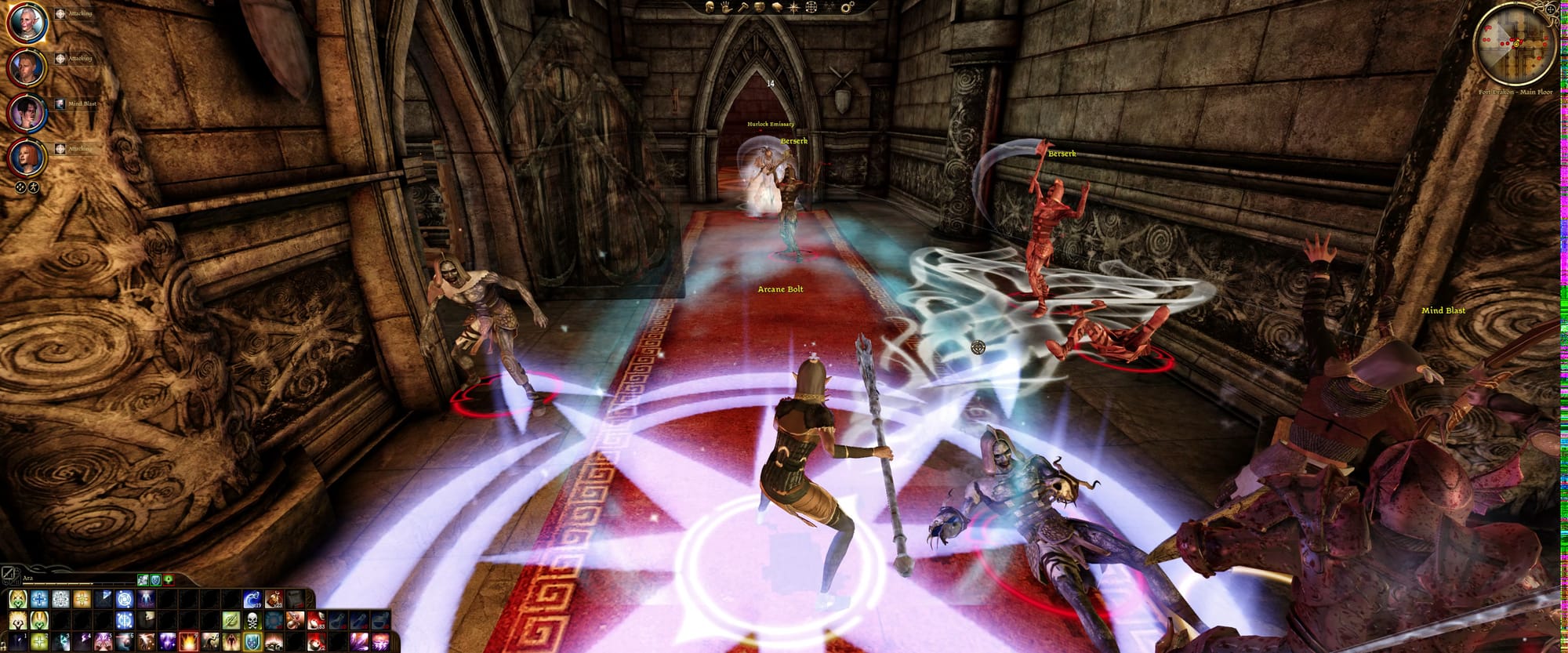
But lengthy story-heavy singleplayer games aren’t always the right answer, either. Sometimes I really do only have a few minutes before bed or a short window waiting on my kiddo, and jumping into a cutscene heavy game or one where I can’t make any meaningful progress in a short amount of time isn’t the right call.
That’s when the session game comes into play.
Roguelites, deckbuilders, racing games, creativity-focused games – games where short investment times are acceptable, and reaching the end credits is not really even a goal are what play best for me in those moments.
I also have to remember to consider what I’m feeling on any individual given day or night. Sometimes I want to sit down and really bury myself in the story world of Horizon Forbidden West or Digimon Story: Time Stranger and explore and progress, but sometimes I’m just not feeling it. And that’s okay! Those gaming sessions are better left to the session games. Or exploring new games with an open mind.
Sometimes, gaming isn’t even the right call at all. Sometimes watching a movie or show, reading, writing, or just relaxing is a smarter way to spend my time. That’s okay, too. Gaming isn’t everything.
As part of my breakup, I kind of just refused to go near competitive multiplayer games. This lasted about 6 months or so. I had a big stigma attached to them and didn’t want to let them back into my life. I only played co-op games with my wife or the occasional Helldivers 2 night with my Discord moderators under the “multiplayer” umbrella. I think this forced, serious distance was necessary to feel like I was in control of the situation.
These days? I don’t hate the scene like I once did. I still have no interest in investing heavily into a live service slop model, and will still focus on experiences where my time and autonomy are respected instead – but I’m not going to avoid them altogether.
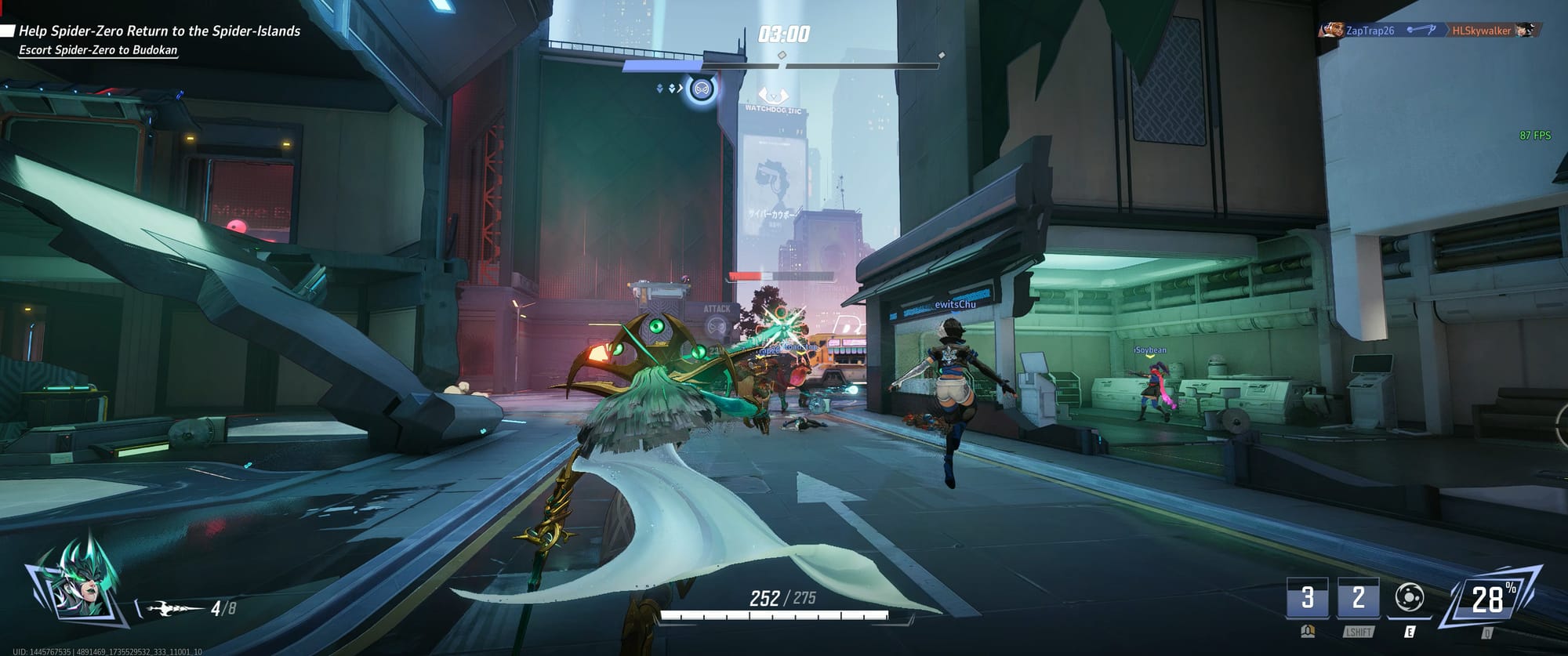
My wife and I still miss the days “when Overwatch was good” and we played together nightly – and briefly recreated that with Marvel Rivals before getting burned on that. If there’s a new, fun multiplayer experience that some friends want to play, I’ll be happy to join in if I end up with a copy. But I’m no longer seeking them out, I’m no longer hinging my fun on them, and I’m no longer solo queuing. Period.